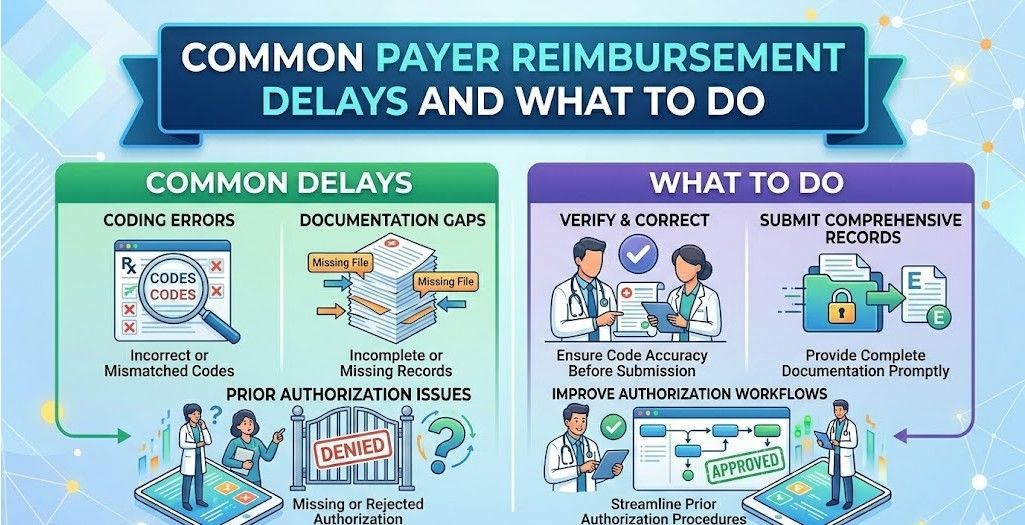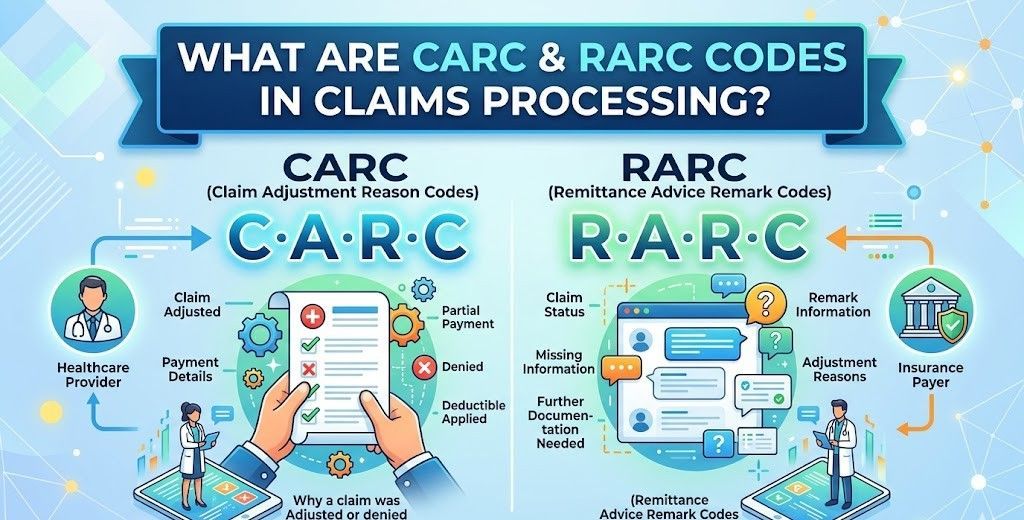
What Is ICD-10? Understanding ICD-10 Codes in Medical Billing
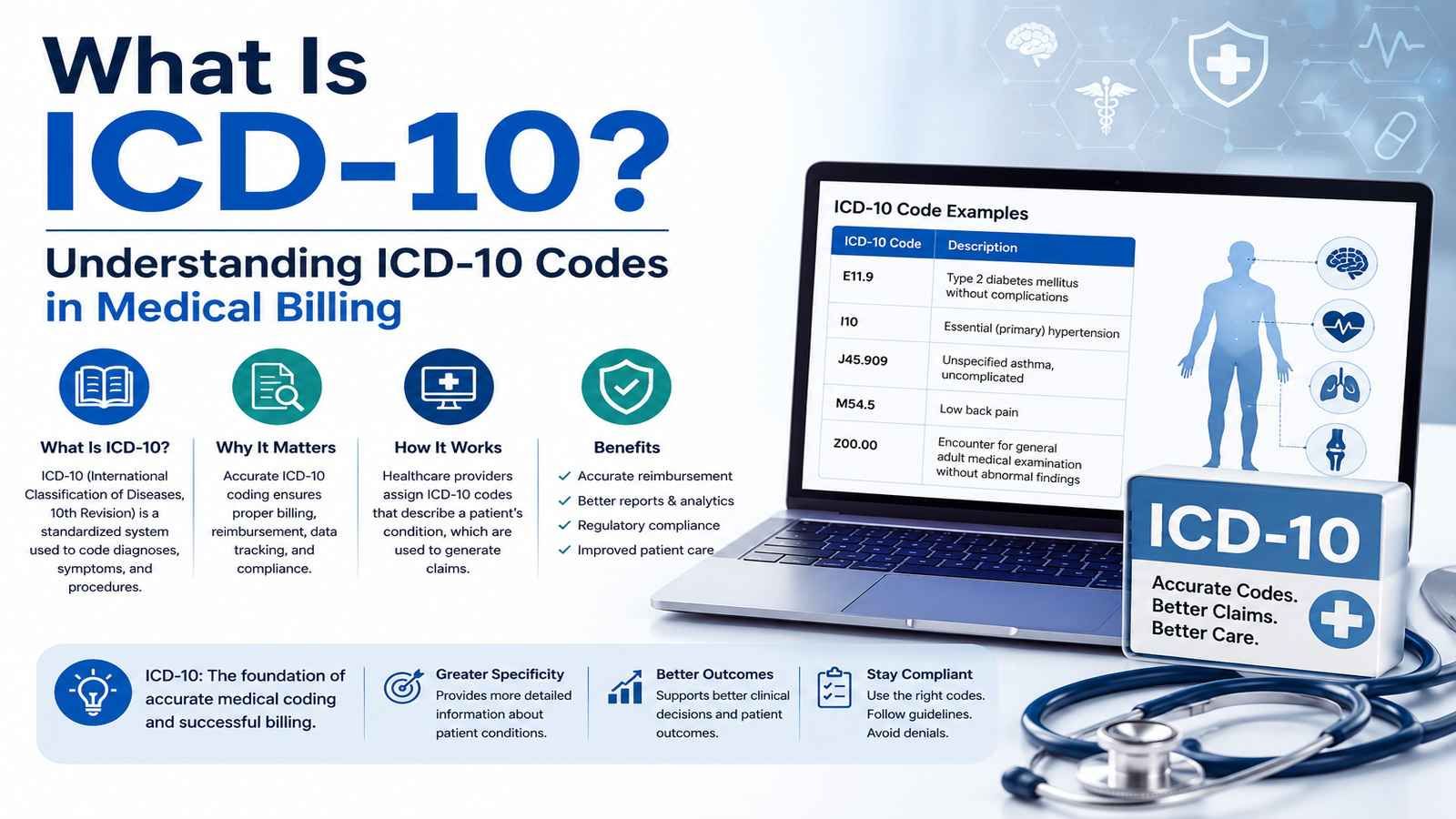
ICD-10 is the global system used to classify diseases, injuries, symptoms, and health conditions. Healthcare providers, medical coders, hospitals, and insurance companies use ICD-10 codes to document diagnoses, support treatment decisions, process insurance claims, and track public health data.
The term ICD-10 stands for International Classification of Diseases, Tenth Revision. Developed by the World Health Organization (WHO), the system provides a standardized language for recording medical conditions across healthcare settings.
Today, ICD-10 codes play a critical role in medical billing, coding accuracy, reimbursement, compliance, and healthcare reporting.
What Does ICD-10 Stand For?
ICD-10 stands for International Classification of Diseases, Tenth Revision.
The World Health Organization created the ICD system to ensure that diseases and medical conditions are documented consistently worldwide.
Healthcare organizations use ICD-10 codes to:
- Identify diagnoses
- Support medical necessity
- Process insurance claims
- Track disease trends
- Monitor healthcare outcomes
- Improve clinical documentation
Without ICD-10 coding, healthcare providers and insurance companies would have no standardized way to communicate patient diagnoses.
What Is an ICD-10 Code?
An ICD-10 code is a diagnosis code assigned to a patient's medical condition. Healthcare providers, medical coders, and insurance companies use these codes to identify diseases, symptoms, injuries, and other health-related conditions in a standardized format.
Each ICD-10 code corresponds to a specific diagnosis, helping ensure accurate clinical documentation, claim submission, and reimbursement.
Common Examples of ICD-10 Codes
- I10 – Essential (Primary) Hypertension
- E11.9 – Type 2 Diabetes Mellitus Without Complications
- J01.90 – Acute Sinusitis, Unspecified
- M54.50 – Low Back Pain, Unspecified
- J45.909 – Unspecified Asthma, Uncomplicated
These diagnosis codes help healthcare providers accurately document a patient's condition and demonstrate the medical necessity of the services provided. Accurate ICD-10 coding is essential for reducing claim denials, improving reimbursement accuracy, and maintaining compliance with payer requirements.
Why Are ICD-10 Codes Important?
ICD-10 codes affect nearly every aspect of healthcare administration.
Accurate Medical Billing
Insurance companies review diagnosis codes before approving claims. The diagnosis must support the medical necessity of the procedure performed.
Faster Claim Processing
Accurate coding helps reduce claim delays, denials, and payment issues.
Better Patient Care
Detailed diagnosis coding allows providers to track conditions, monitor outcomes, and create effective treatment plans.
Regulatory Compliance
Healthcare organizations must follow CMS and payer-specific coding guidelines to remain compliant.
Public Health Reporting
Government agencies use ICD-10 data to monitor disease outbreaks, healthcare trends, and population health statistics.
How Are ICD-10 Codes Structured?
ICD-10 codes follow a standardized format that provides detailed clinical information about a patient's diagnosis. Each code can contain up to seven characters, with each character serving a specific purpose.
Example: S52.521A
S – Identifies the general category of the condition, such as an injury, disease, or health condition.
52 – Specifies the affected body system or anatomical region.
.521 – Provides detailed information about the exact diagnosis, including the type and location of the condition.
A – Indicates the encounter type, such as an initial encounter, subsequent encounter, or sequela (late effect).
What Information Does an ICD-10 Code Capture?
A properly assigned ICD-10 code can communicate:
- The type of condition or injury
- The anatomical location affected
- The severity of the condition
- The cause of the illness or injury
- The patient's encounter status or stage of treatment
This level of detail helps healthcare providers improve clinical documentation, supports accurate medical billing, reduces claim denials, and enables more precise healthcare reporting. The increased specificity is one of the primary reasons ICD-10 replaced the older ICD-9 coding system.
ICD-9 vs ICD-10: What's the Difference?
ICD-10 replaced ICD-9 in the United States on October 1, 2015. The newer system provides significantly more detail, allowing healthcare providers and medical coders to document diagnoses with greater accuracy.
Number of Codes
- ICD-9: Approximately 13,000 diagnosis codes
- ICD-10: More than 68,000 diagnosis codes
Code Length
- ICD-9: 3 to 5 characters
- ICD-10: Up to 7 characters
Specificity
- ICD-9: Limited clinical detail
- ICD-10: Highly detailed coding that captures severity, location, and other clinical factors
Medical Terminology
- ICD-9: Based on older medical classifications
- ICD-10: Reflects modern medical practices and advances in healthcare
Reporting Accuracy
- ICD-9: Less precise data collection and reporting
- ICD-10: Improved accuracy for clinical documentation, billing, and public health reporting
The expanded ICD-10 code set enables healthcare organizations to document patient conditions more precisely, reduce coding errors, support medical necessity, and improve reimbursement outcomes.
ICD-10-CM vs ICD-10-PCS
Many healthcare professionals confuse ICD-10-CM and ICD-10-PCS.
ICD-10-CM
ICD-10-CM (Clinical Modification) is used for diagnosis coding.
Examples include:
- Diabetes
- Hypertension
- Asthma
- Pneumonia
ICD-10-PCS
ICD-10-PCS (Procedure Coding System) is used primarily by hospitals to report inpatient procedures.
Examples include:
- Surgical procedures
- Organ transplants
- Joint replacements
- Cardiac interventions
Both systems work together to ensure complete medical documentation.
How ICD-10 Codes Are Used in Medical Billing
The medical billing process relies heavily on diagnosis coding.
A typical workflow looks like this:
- Patient receives treatment.
- Provider documents the diagnosis.
- Medical coder assigns ICD-10 codes.
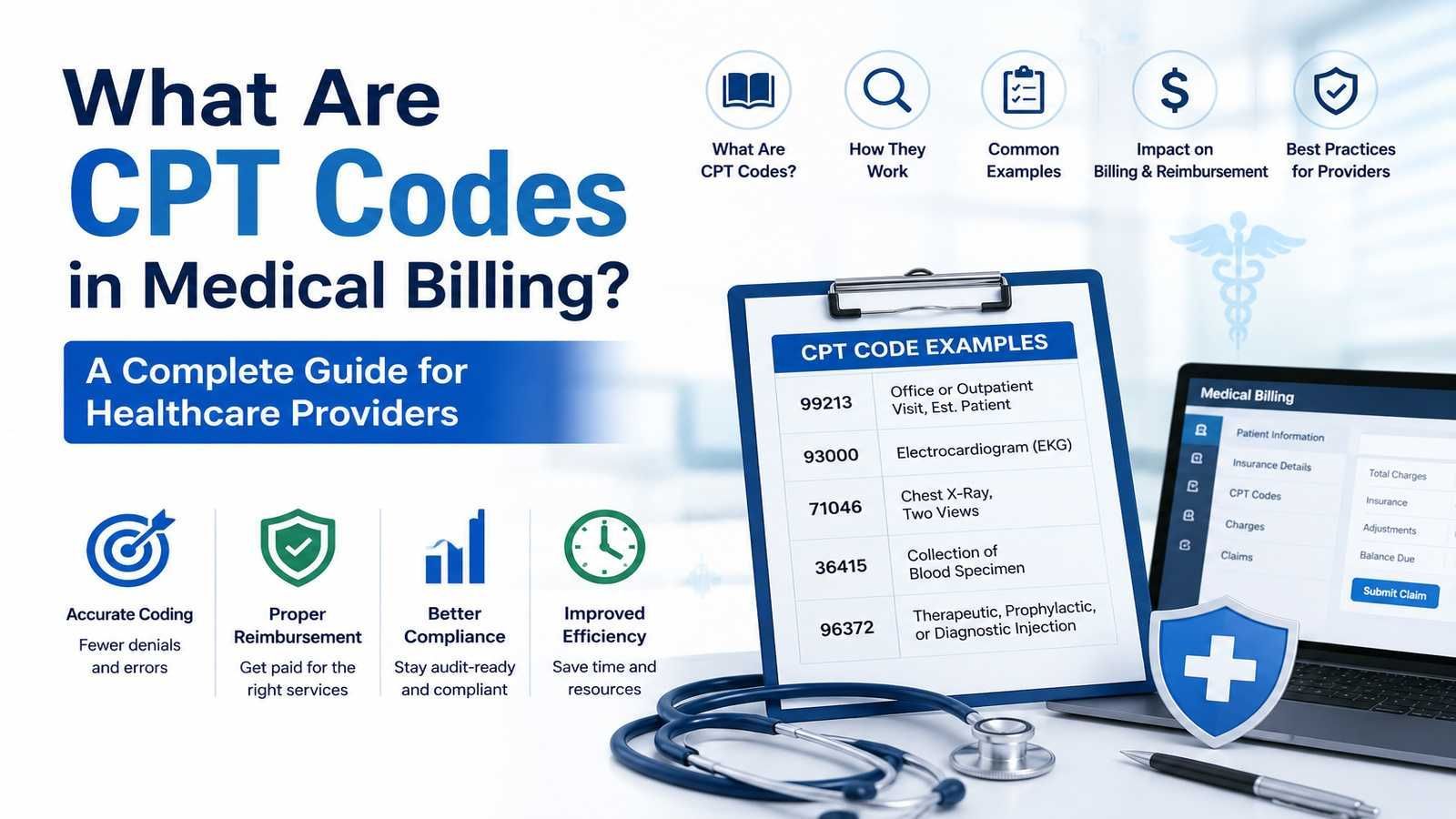
- CPT codes are assigned for services performed.
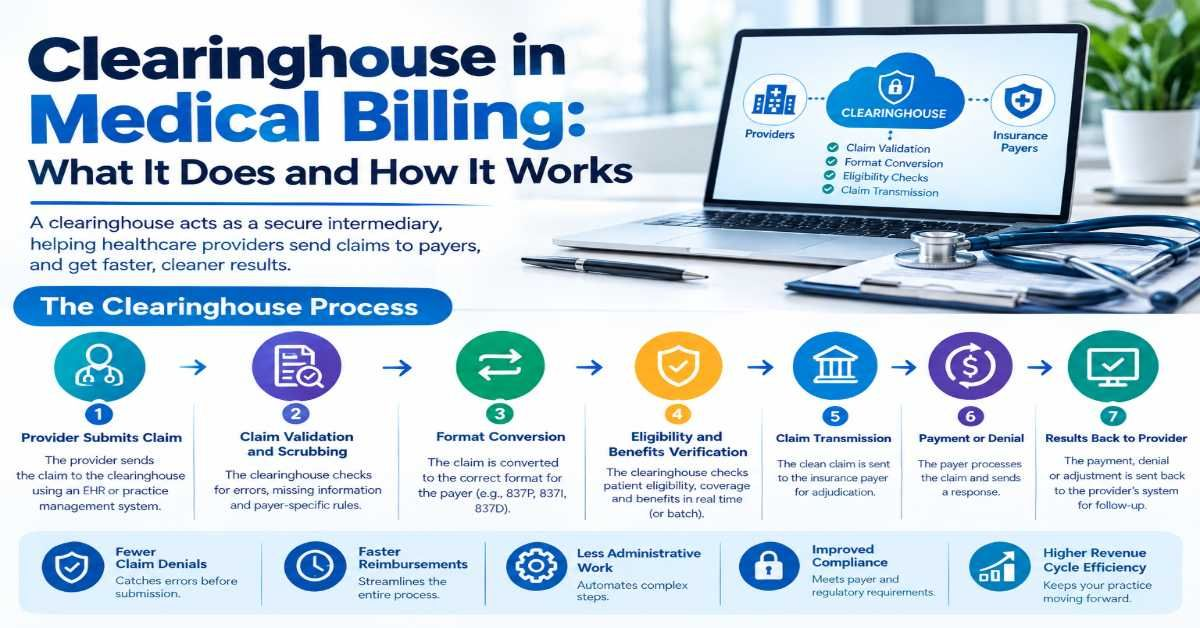
- Claim is submitted to the payer.
- Insurance company reviews medical necessity.
- Payment or denial is issued.
Incorrect ICD-10 coding can result in:
- Claim denials
- Underpayments
- Compliance risks
- Delayed reimbursement
Many healthcare organizations use specialized coding teams or outsource coding services to improve claim accuracy.
Related: Medical Billing and Coding California
How to Find an ICD-10 Code
Healthcare providers and coders can locate ICD-10 codes through several resources.
Official CMS Resources
CMS publishes annual ICD-10 code updates and coding guidelines.
Electronic Health Record Systems
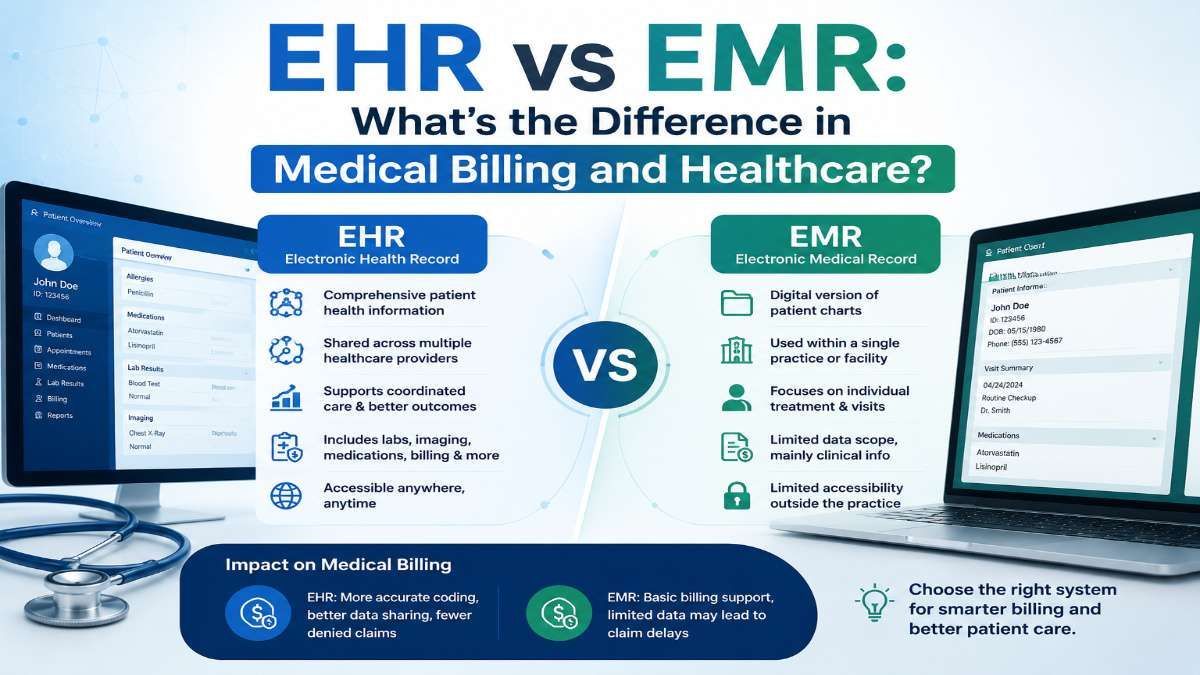
Most EHR platforms include built-in ICD-10 search tools.
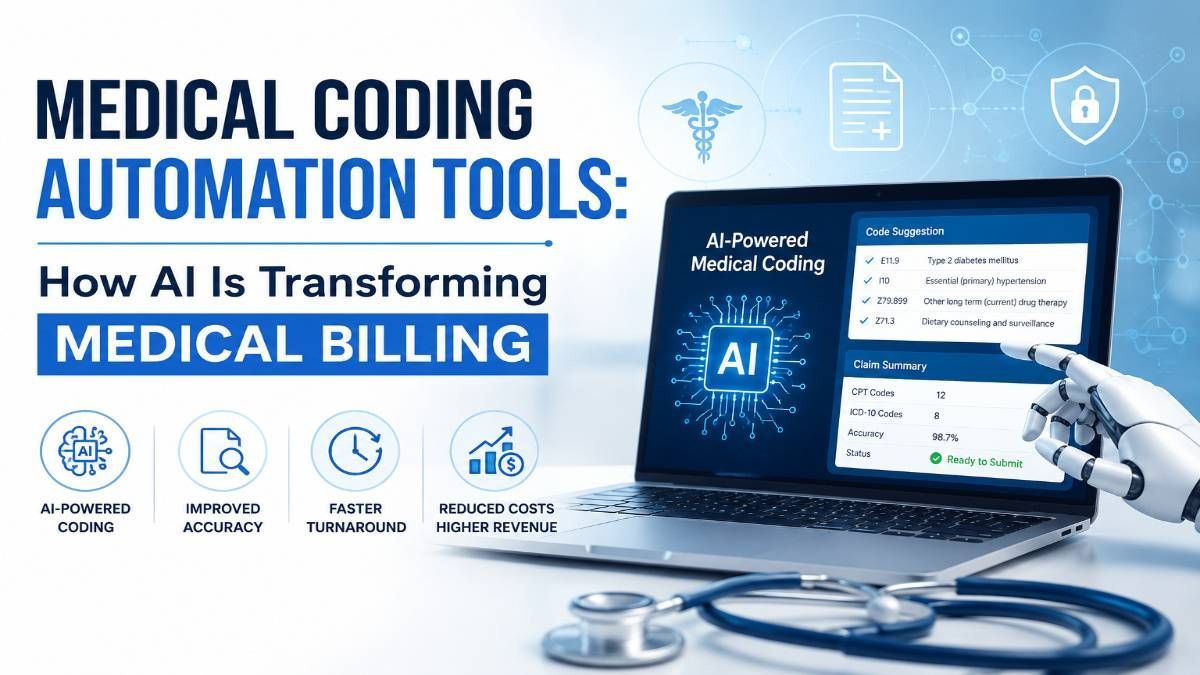
Medical Coding Software
Popular coding platforms include:
- Find-A-Code
- Optum EncoderPro
- TruCode
- 3M CodeFinder
ICD-10 Code Books
Certified coders often use official ICD-10-CM manuals for detailed coding guidance.
Common Challenges with ICD-10 Coding
Although ICD-10 improves accuracy, coding errors remain common.
Common issues include:
- Using unspecified codes
- Missing documentation details
- Incorrect code sequencing
- Failure to follow payer guidelines
- Outdated code usage
Regular training and coding audits help reduce these errors and improve reimbursement performance.
What Comes After ICD-10?
The World Health Organization has introduced ICD-11, the newest version of the classification system.
ICD-11 offers:
- Improved digital integration
- Expanded clinical detail
- Better support for modern healthcare technologies
- Enhanced interoperability with electronic health records
While many countries have started implementation efforts, ICD-10 remains the standard coding system used throughout the United States.
Conclusion
ICD-10 is the foundation of modern medical coding and healthcare documentation. It provides a standardized way to record diagnoses, support medical necessity, process insurance claims, and improve healthcare reporting.
Understanding how ICD-10 codes work is essential for healthcare providers, medical billers, coders, and practice administrators seeking accurate reimbursement and compliance. As healthcare systems continue evolving toward greater digitalization and data-driven care, accurate ICD-10 coding will remain a critical component of operational and financial success.
FAQs About What is ICD
What is ICD-10 used for?
ICD-10 is used to classify diseases, injuries, symptoms, and medical conditions for documentation, billing, reimbursement, and public health reporting.
What does ICD-10 stand for?
ICD-10 stands for International Classification of Diseases, Tenth Revision.
What is an ICD-10 code?
An ICD-10 code is a standardized diagnosis code used to identify a specific medical condition or health issue.
How many ICD-10 codes are there?
The ICD-10-CM system contains more than 68,000 diagnosis codes used throughout healthcare organizations.
What is the difference between ICD-10 and CPT codes?
ICD-10 codes identify diagnoses, while CPT codes describe the medical procedures and services performed.
Are ICD-10 codes used for insurance claims?
Yes. Insurance companies use ICD-10 diagnosis codes to determine medical necessity and process reimbursement claims.