Common Payer Reimbursement Delays and What to Do
Delayed insurance payments are one of the most common reasons medical practices experience cash flow stress. Even when claims are submitted correctly, reimbursement can stall for weeks or months due to payer processing issues, credentialing gaps, or administrative errors.
Understanding why reimbursement delays happen and how to respond proactively helps practices reduce aging accounts receivable and maintain financial stability.
Why Payer Reimbursement Delays Hurt Practice Revenue
Reimbursement delays affect more than just cash flow. They increase administrative workload, slow down growth, and often lead to missed appeal deadlines.
Common consequences include:
- Rising accounts receivable over 60 and 90 days
- Staff time wasted on payer follow ups
- Difficulty forecasting monthly revenue
- Increased risk of claim write offs
Most delays are preventable once their root cause is identified.
Common Causes of Payer Reimbursement Delays
Identifying the source of delay is the first step toward faster payment.
Incomplete or Incorrect Claim Information
Missing demographics, incorrect policy numbers, or coding inconsistencies can place claims into manual review queues. These claims often remain unpaid until corrections are made.
Credentialing and Enrollment Issues
If a provider is not properly credentialed or enrolled with the payer, claims may be held or denied. Even small enrollment mismatches can result in payment delays.
Prior Authorization Problems
Claims submitted without valid prior authorization often require additional review. Some payers delay payment even when authorization exists but is not linked correctly.
Coordination of Benefits Conflicts
When patients have multiple insurance plans, payers may delay processing until coverage order is confirmed. COB issues frequently cause payment stagnation.
Payer Backlogs and Policy Changes
Payers may experience internal backlogs or change coverage policies without timely notification. These delays affect large volumes of claims simultaneously.
How to Identify Reimbursement Delays Early
Early detection prevents claims from aging unnecessarily.
Monitor Aging Reports Weekly
Review claims approaching 30 and 45 days. Early intervention reduces the risk of extended delays.
Track Payer Specific Patterns
If one payer consistently delays payments, there may be systemic issues related to credentialing, documentation, or submission format.
Flag Claims Pending Medical Review
Claims in medical review status should be monitored closely and followed up on regularly.
What to Do When Payer Payments Are Delayed
A structured response helps recover revenue faster.
Verify Claim Acceptance
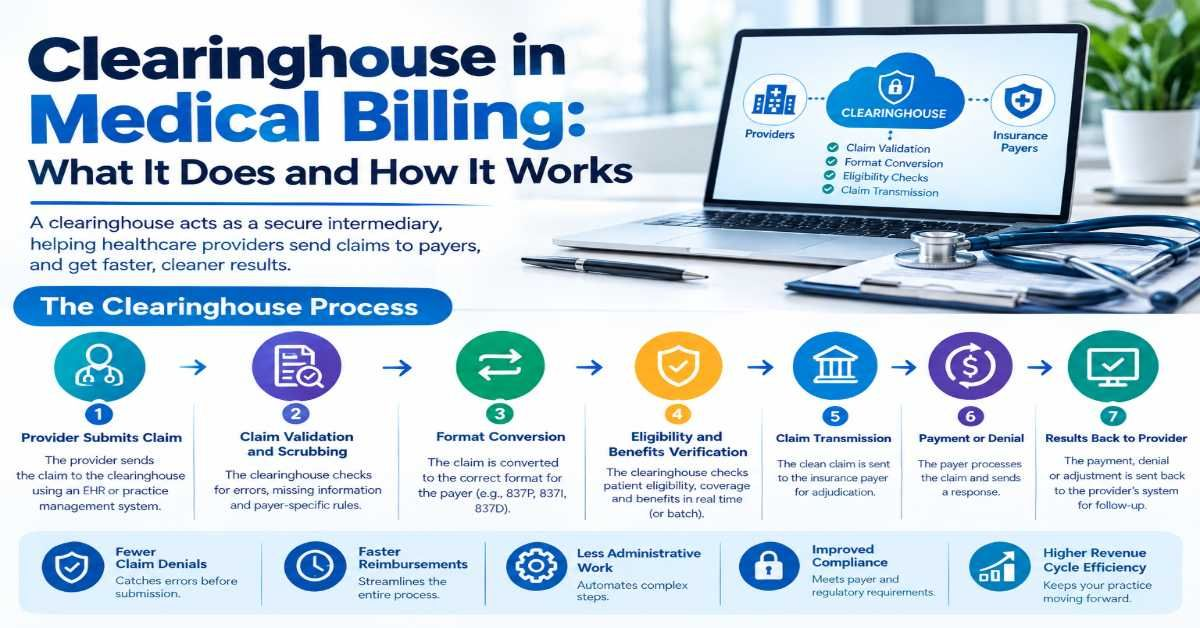
Confirm that the payer accepted the claim and did not reject it at the clearinghouse level.
Check Provider Credentialing Status
Ensure the rendering and billing providers are fully credentialed and enrolled with the payer. Credentialing gaps are one of the most overlooked causes of delayed reimbursement.
Contact the Payer Strategically
Follow payer specific timelines for follow up. Document reference numbers, call dates, and outcomes for every interaction.
Submit Supporting Documentation Promptly
If the payer requests additional records, submit them immediately to avoid further delay.
Escalate When Necessary
Claims that exceed payer processing timelines should be escalated through formal inquiries or appeals.
Preventing Future Reimbursement Delays
Prevention reduces dependency on follow ups and appeals.
- Verify patient eligibility and coverage at every visit
- Maintain up to date provider credentialing records
- Track authorization requirements by payer
- Submit clean claims with complete documentation
- Audit denial and delay trends monthly
Proactive workflows improve reimbursement speed and reduce operational strain.
FAQs on Payer Reimbursement Delays
How long should payer reimbursement normally take?
Most payers process clean claims within 15 to 30 days. Claims exceeding this range require follow up.
Can credentialing issues delay payment even if the claim is accepted?
Yes. Claims may be accepted but placed on hold until credentialing or enrollment is resolved.
Should delayed claims be appealed?
Appeals are appropriate when payer processing timelines are exceeded or when delays turn into denials.
How often should billing teams follow up on delayed claims?
Follow up every 15 to 20 days, depending on payer guidelines.
Do payer delays impact patient billing?
Yes. Delays can affect patient statements and increase confusion around balances.
Valley Medical Billing Support for Faster Reimbursement
Reducing reimbursement delays requires strong billing workflows and accurate provider enrollment.
Valley Medical Billing helps practices identify payer bottlenecks, resolve credentialing issues, and streamline follow up processes.
If provider enrollment or payer participation is slowing down your payments, our team works closely with practices seeking reliable Medical Credentialing Services Near Me to ensure providers are properly enrolled and claims are reimbursed without unnecessary delays.